Insights on markets, consumer behavior, brand performance, positioning, competition, and growth opportunities.
Producing first and finding customers later exposes SMEs to Inventory and investment risk before Demand is understood. Learn how Customer Evidence, Small Tests and Decision Rules can support a more Demand-driven approach.
Social Media can reveal customer issues quickly, but the loudest voices are not necessarily the majority. Learn what Social Listening can tell you and when to validate it with Surveys, CRM and Behavioral Data.
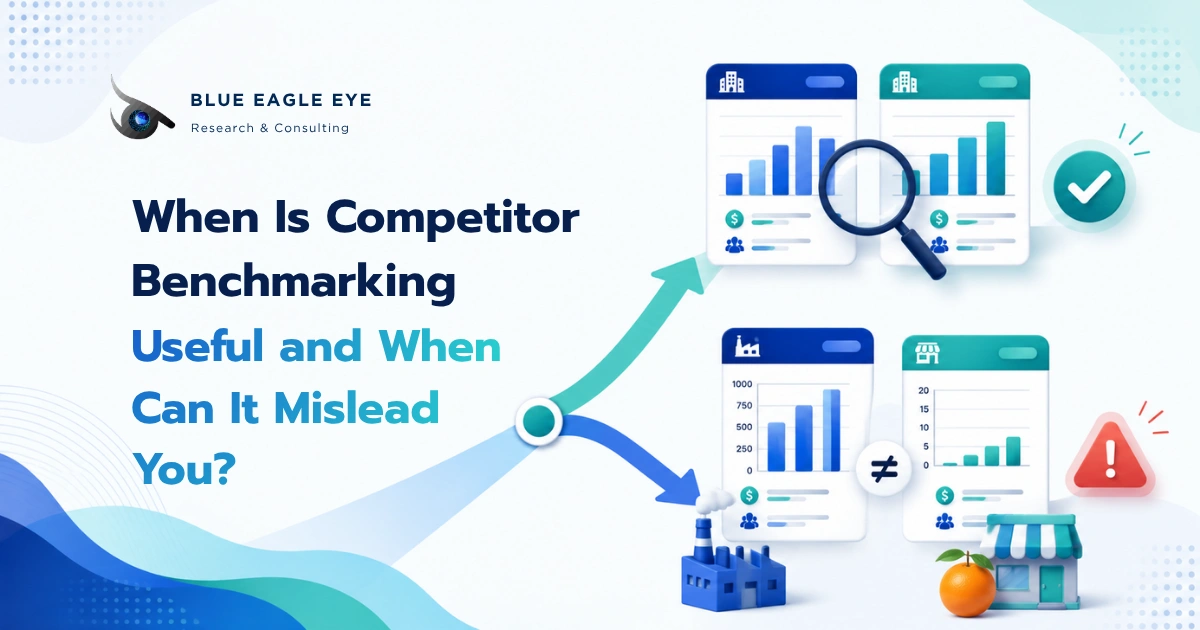
Competitor Benchmarking can reveal Performance Gaps and Competitive Position, but it becomes misleading when businesses compare incompatible metrics or copy Best Practices without considering Strategy, Customers and Business Model.
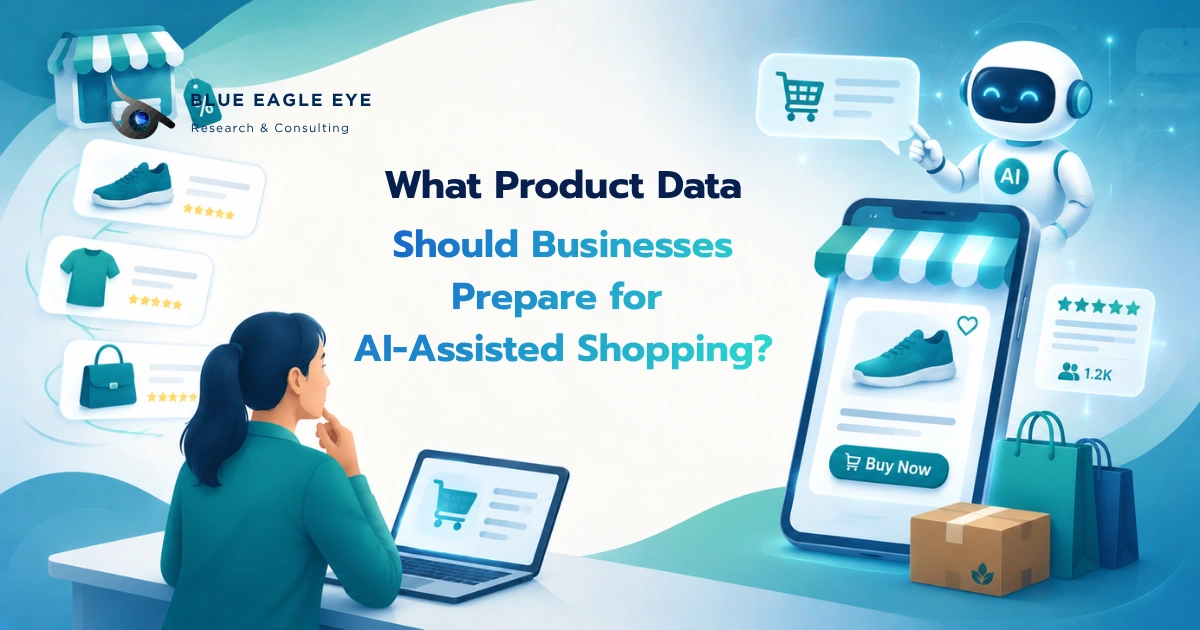
As AI begins to help customers discover and compare products, Product Data becomes part of the Customer Journey. Learn what businesses should prepare, from Product Identity and Specifications to Variants, Price, Stock, Shipping and Returns.
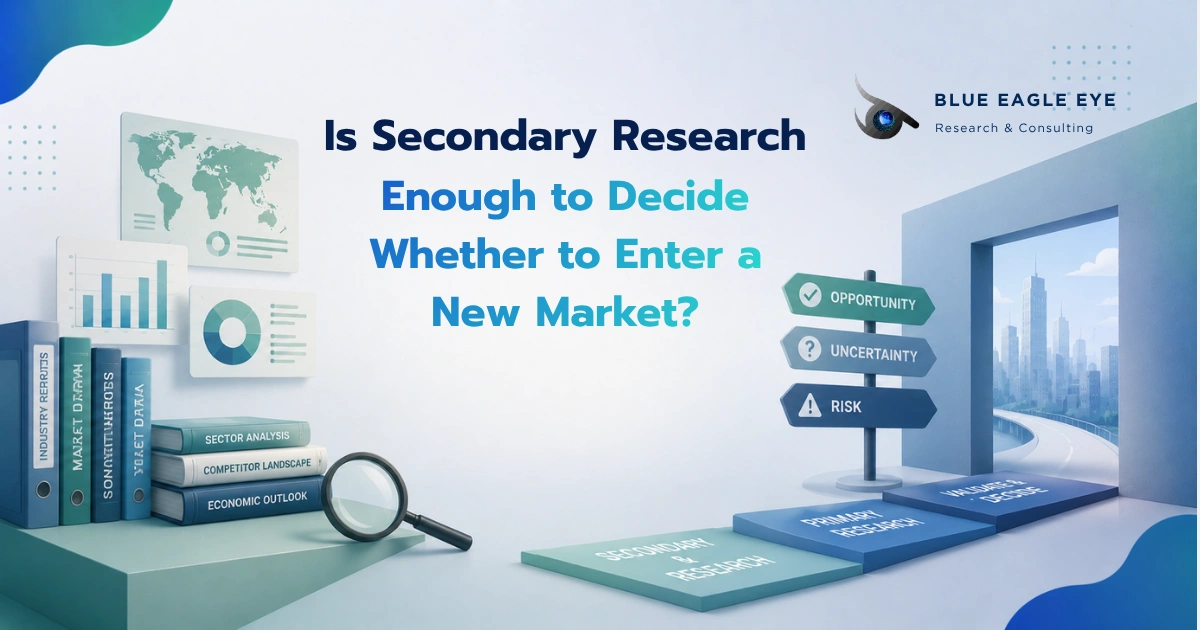
Secondary Research can quickly screen a Market Opportunity, but it cannot answer every question before entry. Learn what existing data can establish and when to add Primary Research or a Market Test.
A successful foreign Business Case is not a ready-made formula for Thailand. Learn what to copy, what to localize and what to test before committing significant resources.
Qualitative or Quantitative Research should be chosen from the Research Question, not from the method your team knows best. Learn what each approach can answer and when Mixed Methods adds value.
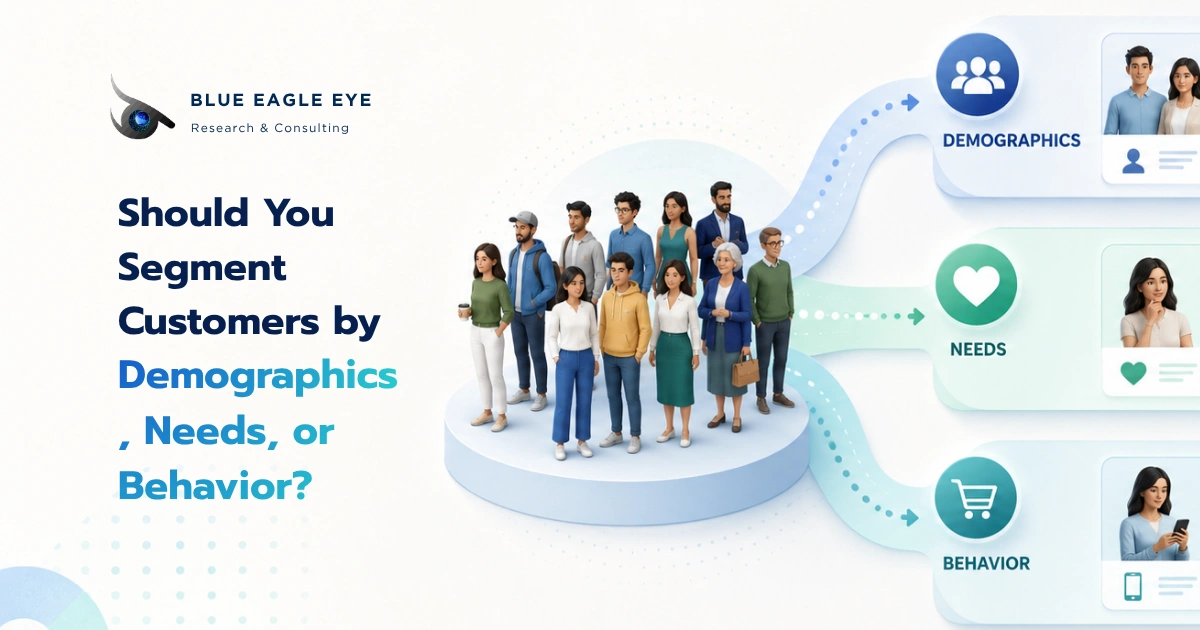
Should Customer Segmentation start with Age and Gender or with Need and Behavior? Learn what each segmentation base is good for and how to build segments that lead to real Marketing and Business Actions.
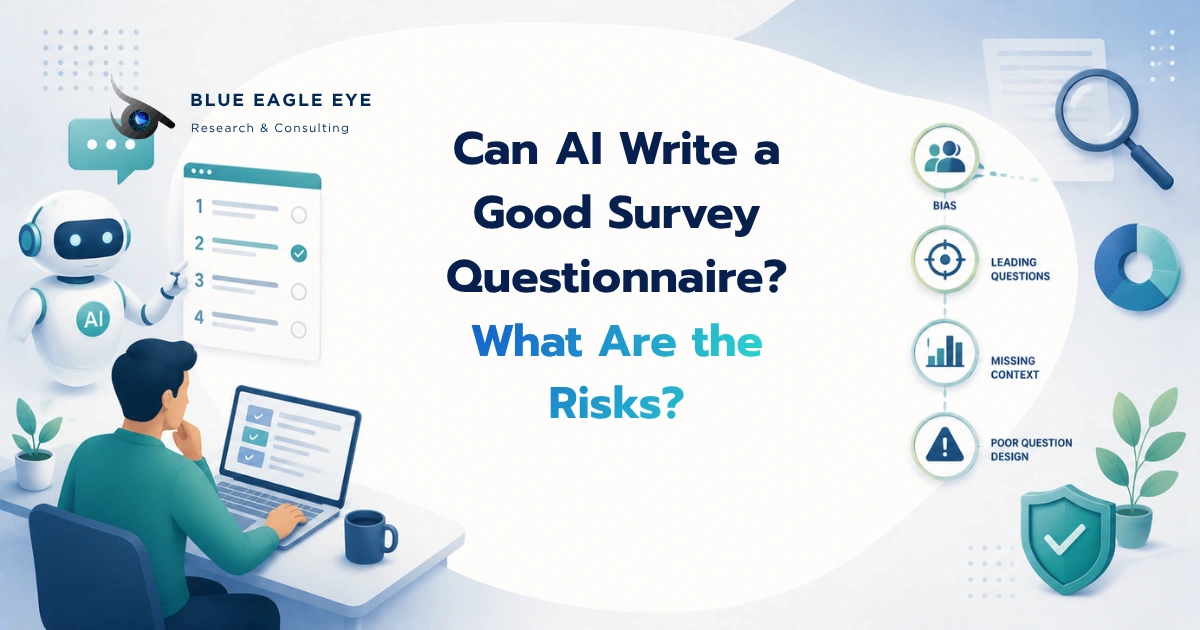
AI can draft Questionnaires quickly, but fluent questions can still create Measurement Error and Survey Bias. Learn what AI can help with and what researchers must verify before Fieldwork.
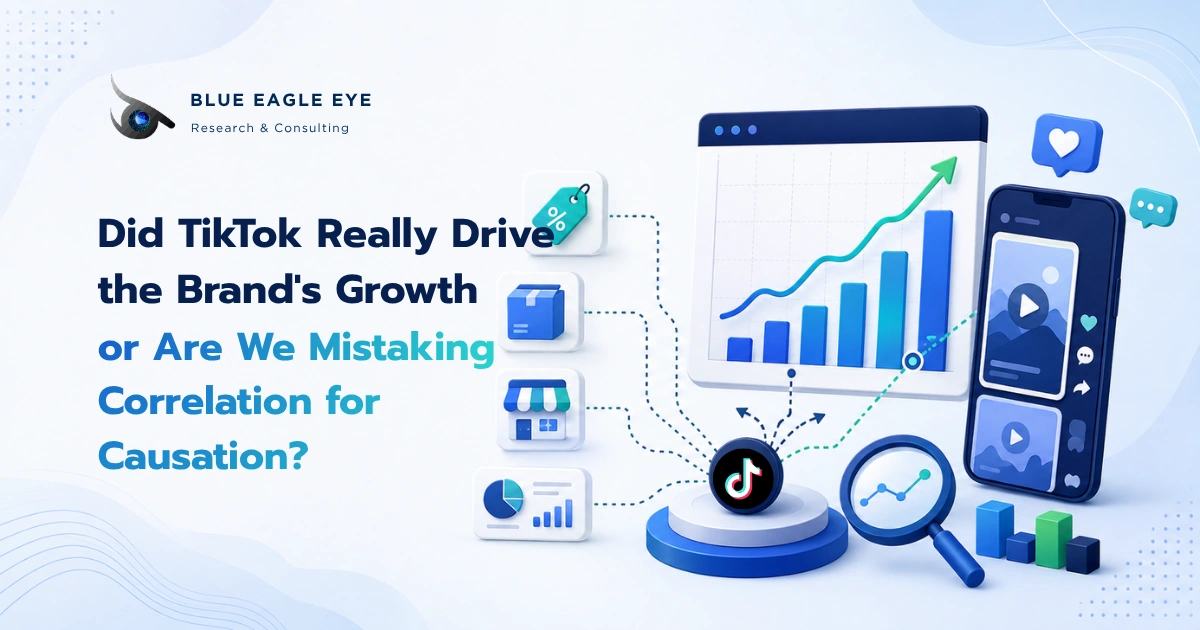
A brand goes viral on TikTok and Sales rise. Did TikTok cause the growth? Learn how to separate Correlation, Attribution and Incrementality before turning a success story into a business conclusion.
Biased Survey results can begin with the Questionnaire itself. Learn how to identify Leading Questions, Double-barreled Questions, Ambiguous Wording, Unbalanced Scales and Question Order effects before fieldwork.
AI can support much more than idea generation in Market Research. SMEs can use it for Secondary Research, Competitor Scans, Questionnaire Drafting, Customer Feedback Coding and Synthesis—provided the evidence and interpretation are still verified.
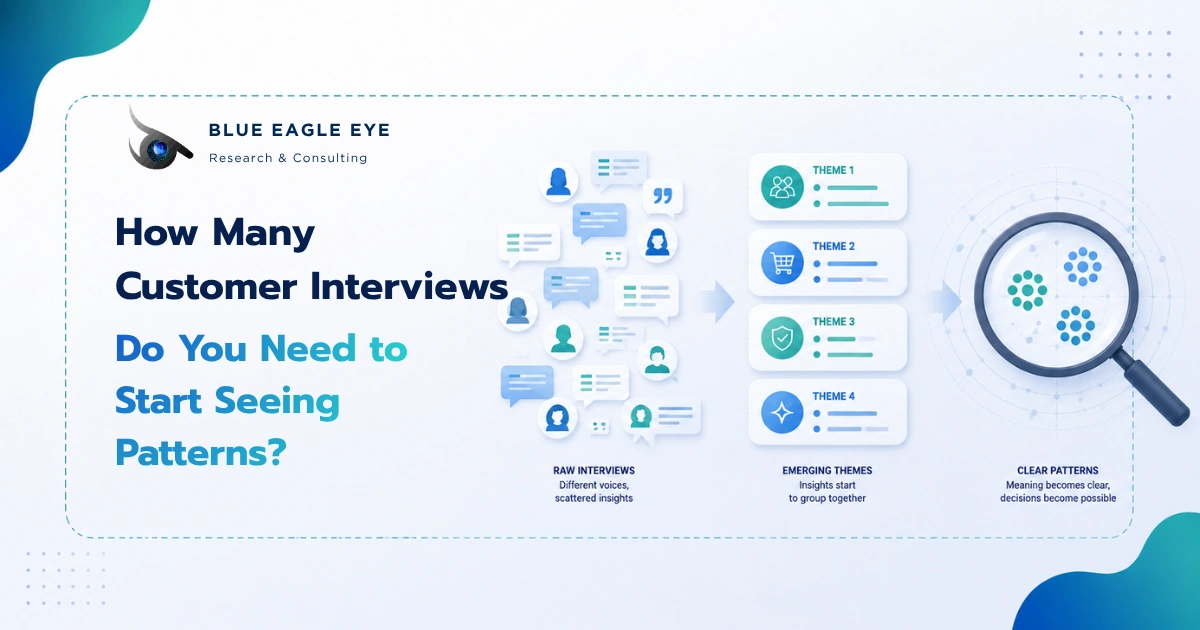
How many customer interviews are enough? Qualitative Sample Size depends on the research question, participant diversity, interview depth and whether new interviews continue to add important themes, not on one universal number.
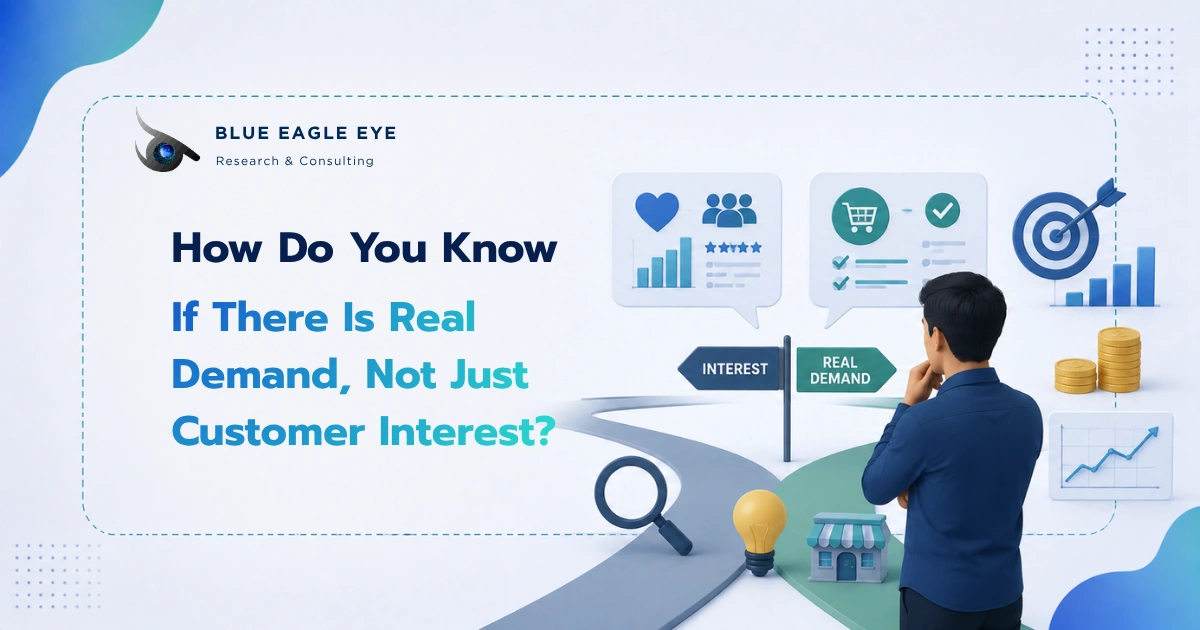
Customer interest does not automatically mean real demand. Learn how to distinguish Interest, Purchase Intent and Actual Behavior using Landing Pages, Trials, Preorders and Small Experiments before investing at scale.
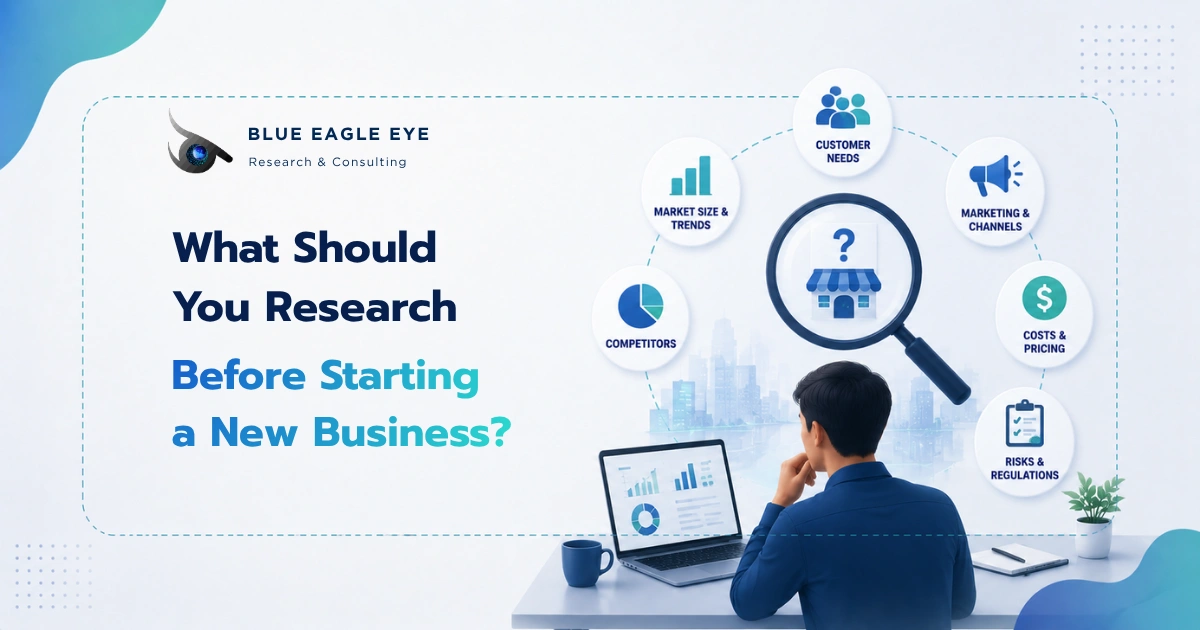
Before starting a business, do more than estimate Market Size or list competitors. Research the Customer, Problem, Demand, Competition and Business Economics, then test real behavior before committing to a full launch.
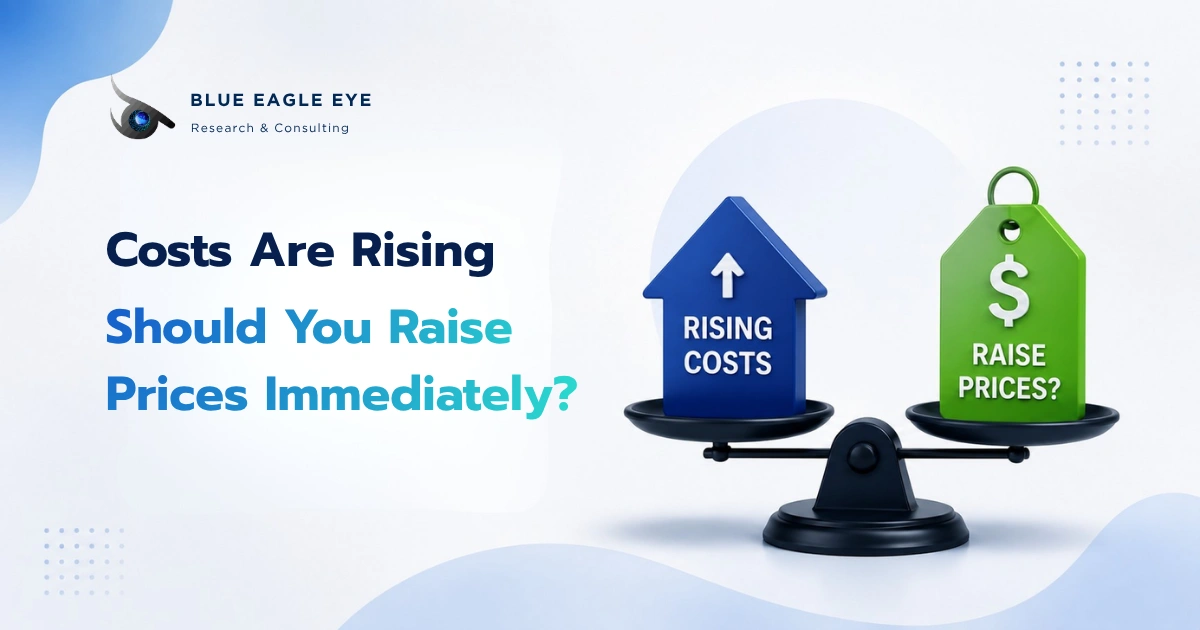
Higher costs do not automatically mean prices should rise immediately. Before changing prices, SMEs should check margins, customer willingness to pay, price sensitivity, competitors, and alternative ways to protect profitability.
Let’s discuss how research can help your team understand the issue and decide the next move.