.png)

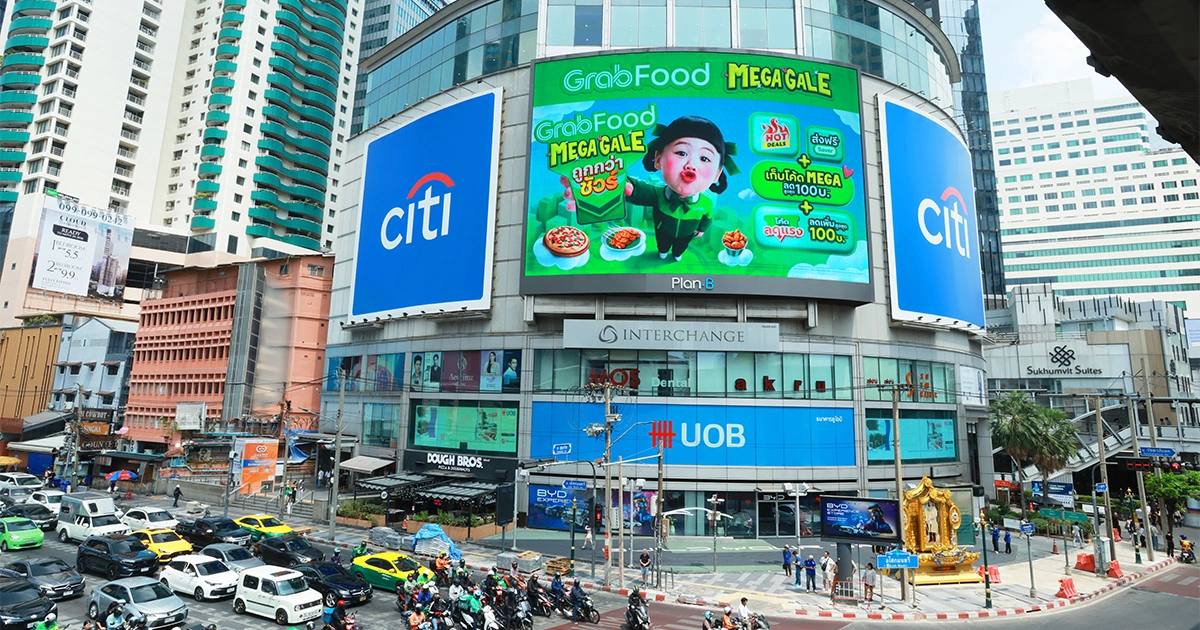
- As marketers face increasing pressure to demonstrate ROI from every media channel, Plan B Media raised an important question:
How can Out-of-Home (OOH) media move beyond simply creating “visibility” to delivering “business outcomes” throughout the Customer Journey? To explore this question clearly, Blue Eagle Eye (BEE), a market research and consulting company, selected Online Food Delivery as the primary case study. - Plan B Media chose to study this type of on-demand business because it is a highly competitive category where consumers can switch brands at any time depending on promotions or convenience at that particular moment. Making sure a brand comes to mind immediately when hunger strikes is therefore a challenging task — and an ideal context for evaluating the real effectiveness of OOH media.
- The study was conducted in May 2026 among 1,000 Online Food Delivery users aged 18–50 in Bangkok and the surrounding metropolitan area who were involved in choosing which app to use. The study covered advertising exposure, brand recognition, post-exposure behaviour, and responses to different OOH formats encountered during consumers’ journeys.
Executive Summary
OOH can connect visibility to the next stage of consumer behaviour - Among those who saw the advertising, 80% correctly identified the brand, 63% searched for information or promotions, 61% entered the app, and 57% used the platform as part of their final decision-making process.
Even a few seconds of exposure can create memory - 76% said they only glanced at the advertisement but could still remember it. This suggests that Creative needs to help consumers see, understand, and recognise the brand quickly.
Moment and Context influence decision-making - Consumers reported that their food orders peak at 55% during lunchtime and 68% in the evening, while 29% linked their decision with things they encountered during their journey and 77% with food-related triggers.
Each media format should have a clear role - Some formats perform strongly in Attention and message communication, while others stand out in Brand Recall or encouraging Search. Media formats should therefore be selected according to the Objective, rather than using one metric to judge every touchpoint.
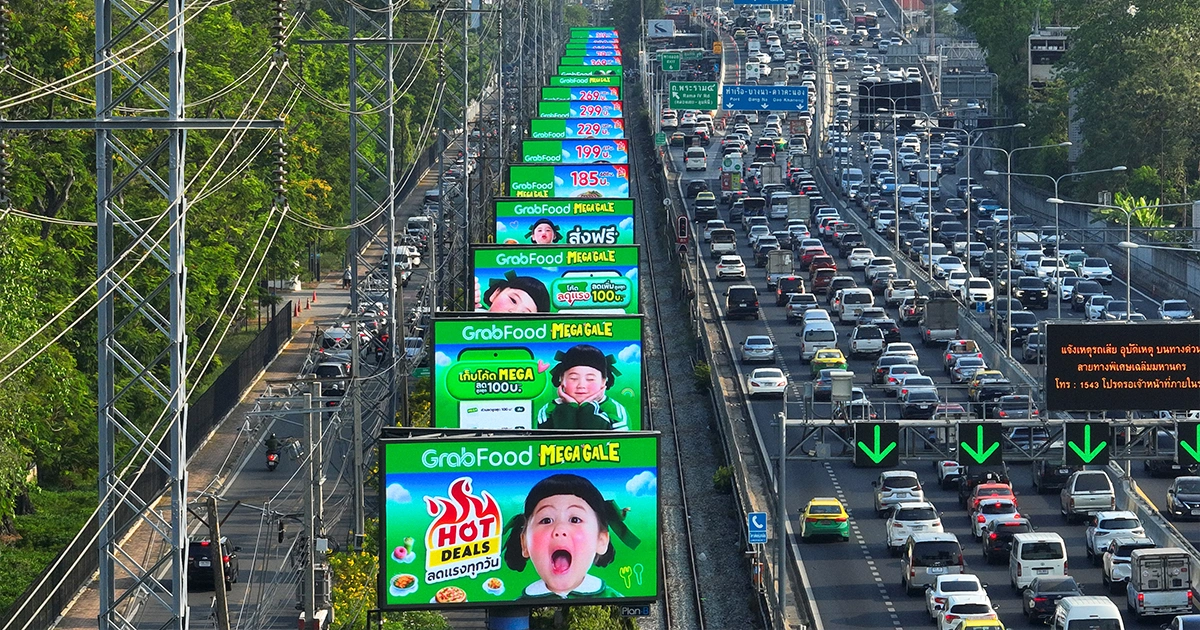
1. When Brand Switching Can Happen at Every Meal: How Can a Brand Stay in the Choice Set?
Food Delivery is a market characterised by frequent decision-making and a wide range of consumer choices. Around 50% of the sample use more than one app, meaning consumers are comparing alternatives almost every time they place an order. Brand Switching can therefore happen easily whenever another option offers something that better meets their needs.
The reasons behind brand choice are not limited to brand reputation. They also come from the “value” consumers receive at that particular moment, including delivery speed at 69%, convenience and variety of restaurants at 67%, promotions at 65%, app stability at 64%, and ease of search and reasonable delivery fees at 63%. Brands therefore need to communicate a clear Value Proposition alongside building visibility.
This context highlights the difference between being a brand consumers simply “know” and being a brand that is “recalled and chosen” when the actual ordering moment arrives. It also allows us to explore how OOH can help keep a brand within consumers’ Active Choice Set.
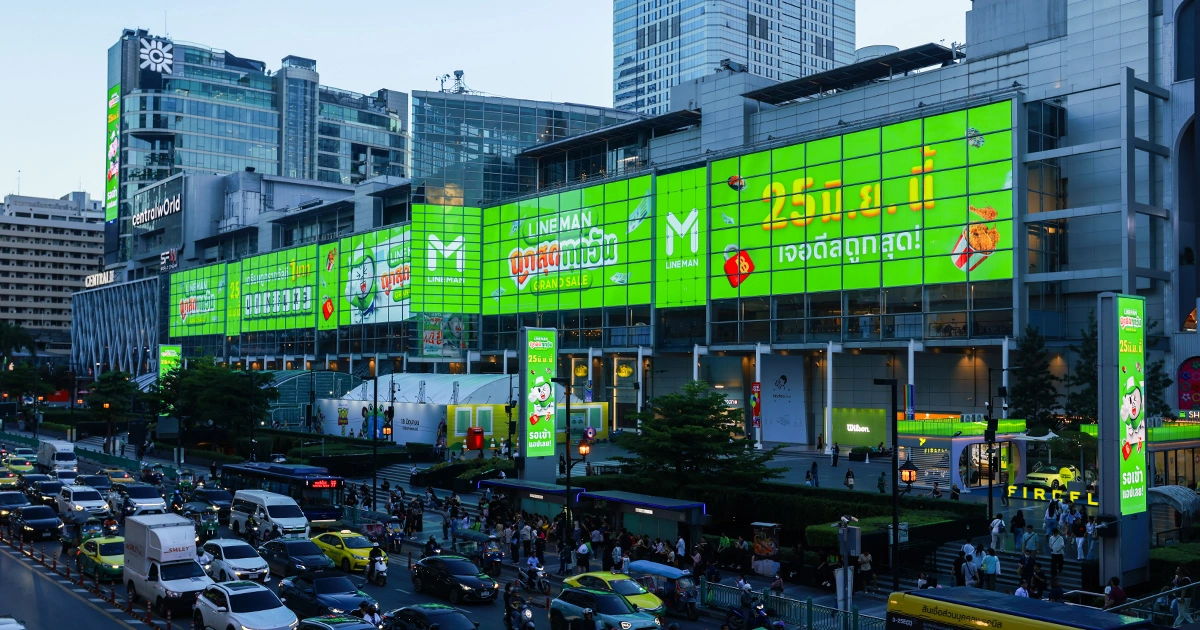
2. Give Every Exposure a Next Step: Designing OOH to Connect Offline with Digital
The study indicates that consumer behaviour after seeing OOH does not stop at advertising recall. Among consumers who saw the media, 80% correctly identified the brand, 63% searched for information or promotions, 61% viewed information in the app, and 57% used the platform as part of their final decision-making process. These figures point to the opportunity for OOH to move consumers from an Offline encounter toward further exploration through Digital channels.
Although 76% described their exposure as “glancing at the ad but still remembering it,” 60% of this group reported viewing information in the app, compared with 78% among those who stopped and paid direct attention to the content. The data does not conclude that OOH itself caused consumers to enter the app. Rather, it shows an association between the level of attention and behaviours reported after media exposure.
For marketers, the challenge is not simply to add a QR code to an OOH execution, but to design a clear next step in the customer journey. Once consumers have seen the message and become interested, where should they go next - Search, App, Website, Store Visit, Lead or Purchase - and is that next channel ready to respond to their interest?
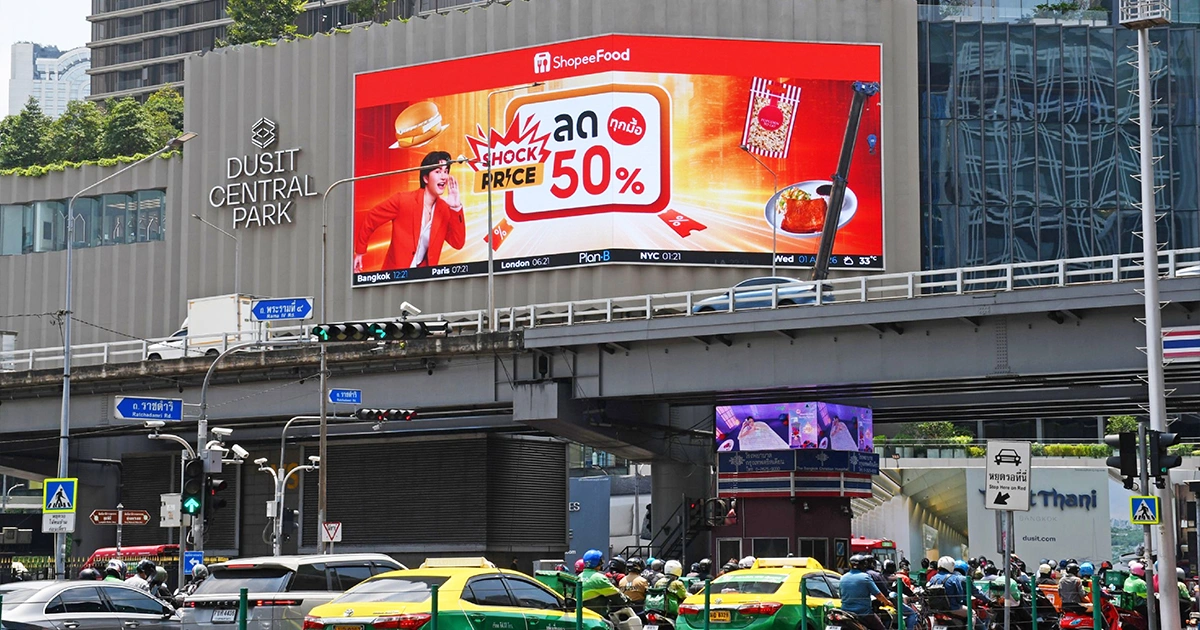
3. Win in a Few Seconds: Create OOH That People Can See, Understand and Remember
OOH operates in environments where consumers have limited time to receive a message. Capturing Attention is therefore only half of the challenge, because that attention also needs to connect back to the brand. The study found that the ability to correctly identify the brand behind different executions ranged from 46%–95% across locations, even though all of them were OOH.
The elements that most helped consumers remember OOH advertising included:
- Clear imagery - 51%
- Simple and quickly understood messages - 47%
- Distinctive colours - 42%
- Clear brand visibility - 40%
The principle is not about reducing creativity. It is about making sure that the idea can be seen, understood, and connected back to the brand within a few seconds.
In terms of sharing, interesting promotions or offers were the number-one reason consumers wanted to share OOH advertising at 33%, higher than eye-catching design at 26%. This suggests that strong Creative should combine distinctiveness with Value that consumers can recognise immediately.
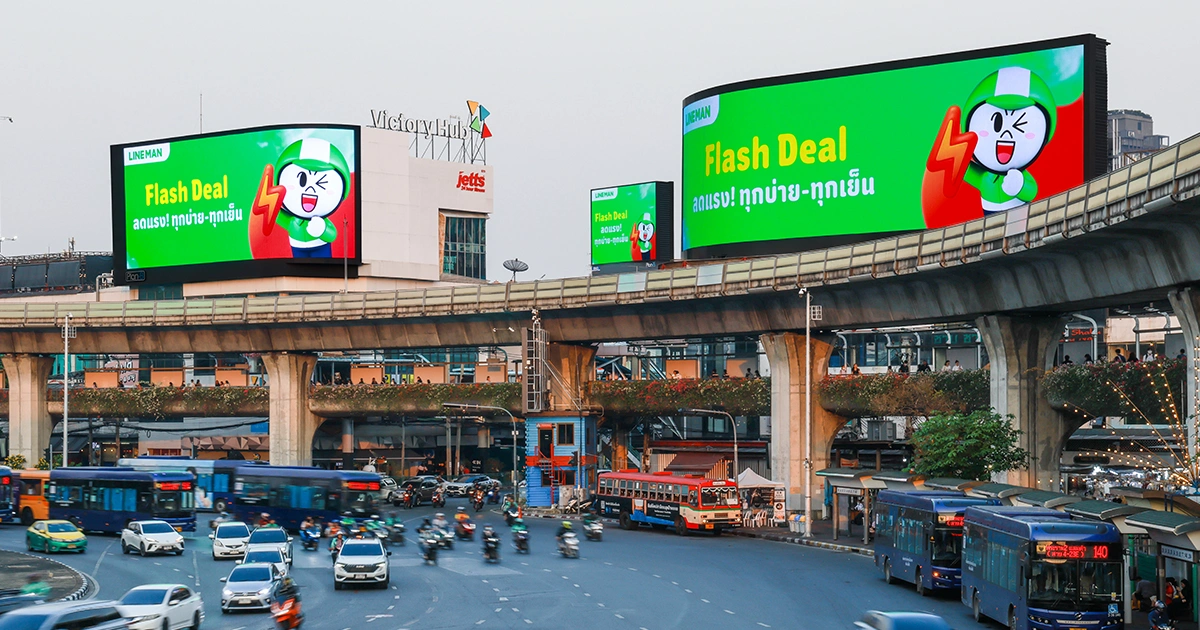
4. Be Present at the Right Moment: Plan OOH Around Time, Place and Emerging Need
Food-ordering decisions can happen throughout the day, with 55% mentioning lunchtime and 68% mentioning the evening. At the same time, 29% linked their decision with things they encountered during their journey, while 77% associated it with food-related triggers, such as appetising food imagery. This creates an opportunity for OOH to communicate in ways that match the time, place and Need that is beginning to form.
Seeing an advertisement and making a purchase do not necessarily happen at the same time. The highest level of food-ordering activity was found within one week after media exposure, while:
- 51% felt OOH helped them stay updated on promotions
- 43% associated OOH with entering the app
- 39% associated OOH with considering a food order
Consumers who spent more time outside the home were also more likely to report behaviours occurring later in the decision-making process. This highlights the opportunity for frequency planning to help keep the brand in consumers’ minds when the Need eventually arises.
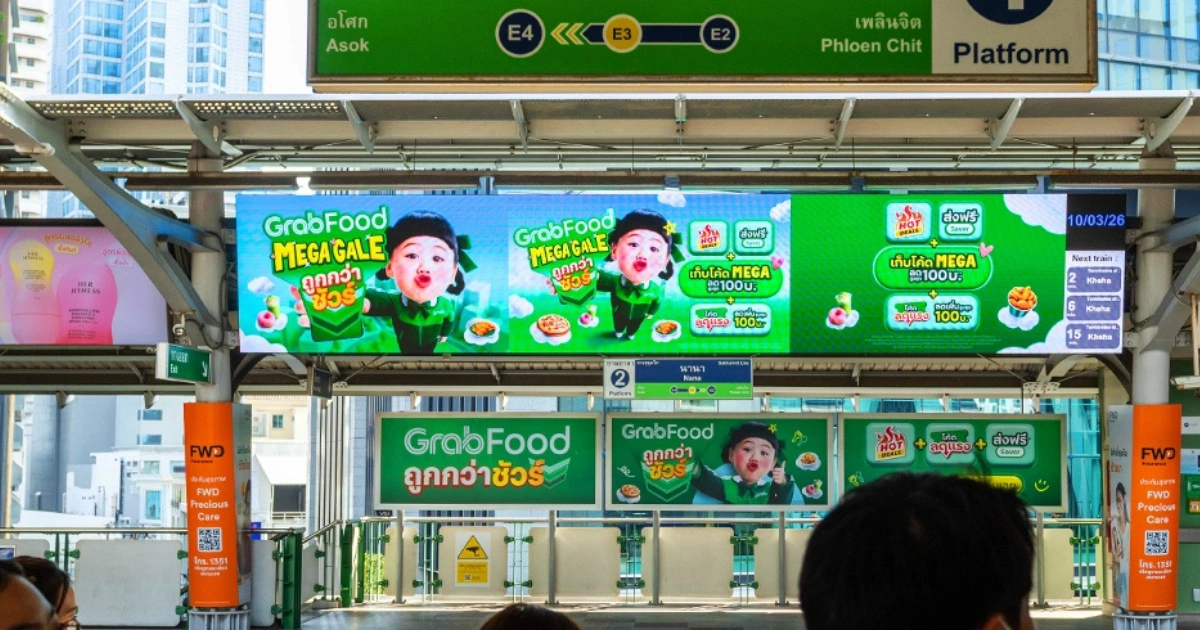
5. Make OOH Work Across the Journey with the Awareness-to-Action Loop
BEE interprets the study findings through the Awareness-to-Action Loop, which views the Customer Journey as a cycle that does not end after purchase. Exposure, recognition, search, consideration, repeat usage, and advocacy can occur in different sequences and can bring consumers back into a new decision cycle depending on the situation.
- SEE - Create opportunities for the brand to be encountered in real-life contexts
- RECOGNIZE - Help consumers quickly identify which brand the advertising belongs to
- ENGAGE - Generate interest and encourage consumers to move toward Search, App, or another next step
- CONSIDER - Help bring the brand back into the choice set when a relevant need arises
- ACT - Lead toward the behaviour the business wants to generate, whether a Purchase or another Action
- REINFORCE - Strengthen familiarity and support Repeat Usage or Advocacy
This framework should not be interpreted as a causal conclusion that OOH alone moves consumers through all six stages. Rather, it is a planning tool that helps marketers define the role of media at each touchpoint more clearly and align each role with the Business Objective.
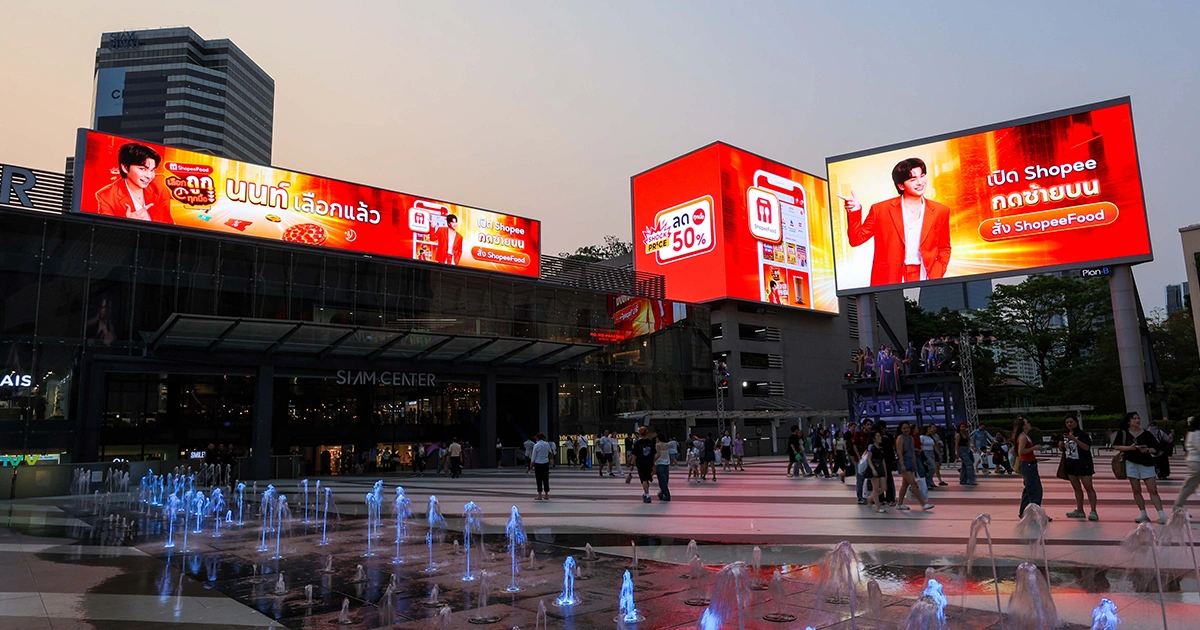
6. There Is No Single Best Format - Only the Format Best Suited to the Objective
When looking more closely at the results across different media formats, one thing becomes clear: there is no single format that performs best across every metric. Consumers encounter different formats in different contexts and for different lengths of time. The strength of each format therefore lies in the role it can perform most effectively within the Customer Journey.
LCD Screens Inside BTS Trains operate in an environment where passengers have more opportunity to spend time with the media. They achieved 89% for Attention and 90% for advertising comprehension, the highest results among the formats studied. This makes the format suitable for communication where consumers need more time to receive and process the Message.
BTS Platform Screen Doors and Digital Screens at Turtle Shops have the potential to be encountered repeatedly during consumers’ journeys. Consumers recorded 81% correct brand identification, 81% message clarity, and 61% searching for promotional codes. These formats can therefore help maintain visibility, reinforce familiarity, and connect consumer interest with further information search.
BangkokJams 2.0, which combines advertising content with traffic information at intersections, generated strong responses in some locations in terms of brand interest, consumer relevance, and bringing the brand into the consumer’s choice set.
Signature Screen, or large-format digital screens at major intersections, performed strongly across several dimensions, including Attention, message comprehension, purchase intention, and promotion search. This suggests potential both for creating Impact and supporting subsequent consumer behaviour.
These findings do not mean that one Media Format is “better” than another in every situation. Instead, they indicate that each Format can play a different role. Therefore, the question “Which OOH format is best?” should become “Which OOH format is best suited to what we want to achieve?”
Before Investing in OOH, What Should Brands Clarify?
- Who do we want to reach, and in what context?
Not only in terms of audience size, but also the location, time and Moment relevant to the product. - What do we want consumers to remember after seeing the media?
The brand name, promotion, Product Benefit, or key reason to choose the brand. - What behaviour do we want to happen next?
Search, open the app, visit the website, go to the store, request information, trial, or purchase. - Are Media, Creative and KPI aligned?
Each Objective should lead to different choices of Format, Creative execution and measurement.
Moving from Awareness to Action does not mean turning OOH into Performance Media. It means designing every exposure to play a clear role in the Customer Journey - from Brand Memory and Consideration to Action and reinforcement in the next decision cycle.

OOH can play a role beyond building awareness by connecting with brand recognition, information search, consideration, and next-step behaviors. Its effectiveness depends on aligning media format, creative, moment, and KPIs with the objective at each stage of the customer journey.


.png)
.png)
.png)
.png)